


GNS ONLINE NEWS PORTAL
SHAFQAT SHEIKH
CHENAB VALLEY MAY 31:-The healthcare system in Jammu & Kashmir continues to survive largely on the mercy of the Almighty, where patients and their attendants are often forced to run from pillar to post during moments of medical emergency and emotional vulnerability.
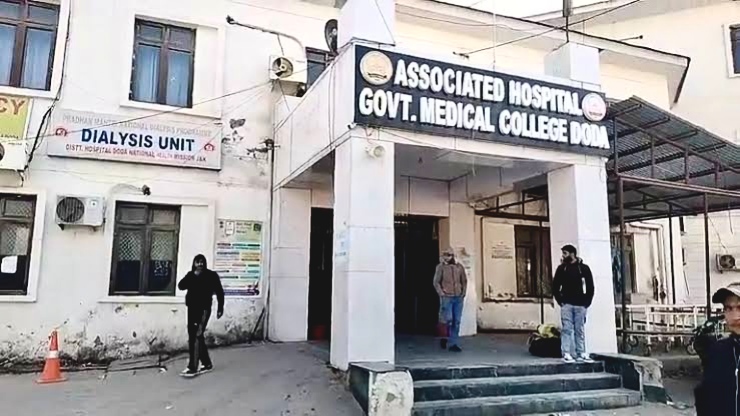
This report is based upon my personal experience and direct observations during the hospitalization of my wife at Associated Hospital Government Medical College (GMC) Doda from 23 May 2026 onwards during her labour period.
The purpose of this report is to highlight the alleged administrative failures, lack of emergency preparedness, insensitive patient handling, and mental harassment faced by attendants and patients within the hospital premises. It also seeks to draw public and administrative attention toward the systemic deficiencies that directly affect poor and helpless families who depend entirely upon government healthcare institutions for treatment and survival.
BACKGROUND OF THE INCIDENT
On 23 May 2026, my wife was admitted to Associated Hospital GMC Doda during labour pain. During the admission and treatment process, despite the patient having a Hemoglobin (Hb) level of approximately 12.2, attendants were repeatedly directed to arrange an A-negative blood donor and reserve blood in the Blood Bank before further medical procedures could proceed.
This requirement created severe panic and mental distress because A-negative is a rare blood group that is not easily available during emergency situations. The process allegedly involved personally arranging donors, completing blood reservation formalities, obtaining documentation, and ensuring compliance with blood bank procedures while simultaneously attending to a patient undergoing labour pain.
From evening hours onward, extensive time and effort were spent contacting numerous individuals, organizations, and volunteers in search of blood donors while the patient remained awaiting further treatment.
KEY ISSUES OBSERVED
A. Mental Harassment of Patient Attendants
One of the gravest concerns observed was the immense psychological pressure imposed upon attendants during a medical emergency. Instead of institutional reassurance and support, attendants were allegedly burdened with the responsibility of independently arranging emergency blood resources.
This situation resulted in:
– Panic among family members
– Emotional trauma during a critical medical condition
– Fear regarding delay in treatment
– Mental exhaustion and helplessness
The burden placed upon attendants in such circumstances reflects serious shortcomings in emergency response mechanisms and humanitarian patient care practices.
B. Blood Management Concerns
The insistence on arranging and reserving blood despite a comparatively stable Hb level raises serious questions regarding:
– Blood management protocols
– Emergency preparedness
– Institutional donor support systems
– Transparency in blood reservation procedures
In government healthcare institutions, emergency blood support systems are expected to function in a manner that minimizes distress for attendants rather than increasing their suffering.
The incident highlights the urgent need for:
– Better rare blood group management
– Emergency donor coordination systems
– Transparent medical communication
– Improved blood bank functioning and accountability
C. Delay and Administrative Pressure
Another serious concern relates to the alleged indirect delay in treatment progression until blood-related formalities were completed.
During labour or emergency medical care:
– Every minute carries medical significance
– Delays increase fear and potential medical risk
– Administrative formalities should never overshadow patient care
Any process that forces attendants to move repeatedly between offices and departments during a medical emergency reflects administrative inefficiency and poor patient-support infrastructure.
D. Lack of Compassionate Communication
Healthcare institutions are expected to provide:
– Clear communication
– Compassionate counselling
– Psychological reassurance
– Professional guidance for attendants
However, the behaviour experienced allegedly reflected:
– Lack of empathy
– Insensitive communication
– Poor guidance and counselling
– Absence of emotional support mechanisms
Patients and attendants arriving at hospitals are already emotionally vulnerable. Institutional conduct that further intensifies anxiety severely damages public trust in healthcare systems.
IMPACT ON PATIENTS AND FAMILIES
Psychological Impact
The overall psychological impact included:
– Severe anxiety
– Fear of losing the patient
– Emotional breakdown
– Sleep deprivation
– Continuous mental stress
Financial and Physical Burden
The incident additionally caused:
– Repeated movement for donor arrangements
– Communication and transportation expenses
– Physical exhaustion and fatigue
Loss of Public Trust
Incidents of this nature create deep distrust among the public toward government healthcare institutions and discourage poor families from seeking timely medical assistance.
SYSTEMIC ISSUES IDENTIFIED
The incident reflects broader structural concerns that may exist within the institution.
Possible Systemic Failures
– Inadequate emergency response systems
– Weak blood donor coordination mechanisms
– Administrative rigidity
– Lack of accountability
– Insufficient patient counselling systems
– Poor grievance redressal mechanisms
EXPECTED STANDARDS IN GOVERNMENT HEALTHCARE
Government hospitals are established to provide accessible, affordable, and humane healthcare services, particularly for economically weaker sections of society.
Expected standards include:
– Timely treatment
– Dignified patient care
– Efficient emergency support
– Transparency in procedures
– Institutional accountability
– Compassionate handling of attendants
Any deviation from these standards directly affects public confidence and patient safety.
RECOMMENDATIONS
Immediate Recommendations
1. Independent inquiry into the incident.
2. Review of blood reservation protocols.
3. Establishment of emergency donor coordination units.
4. Improved communication systems for attendants.
5. Dedicated patient support and emergency help desks.
Administrative Reforms
1. Digitized blood availability monitoring systems.
2. 24×7 emergency counselling support for attendants.
3. Accountability mechanisms for negligence and administrative lapses.
4. Regular audits of emergency care systems.
5. Training programs on patient sensitivity and ethical conduct.
Long-Term Structural Improvements
1. Strengthening rural healthcare infrastructure.
2. Expansion of rare blood donor registries.
3. Establishment of standard emergency response protocols.
4. Public grievance monitoring and transparency systems.
5. Third-party healthcare quality inspections and audits.
CONCLUSION
The experience at Associated Hospital GMC Doda reflects deeply concerning issues regarding patient handling, emergency preparedness, administrative sensitivity, and institutional accountability within a critical healthcare institution.
Hospitals are places where people arrive with hope during the most vulnerable moments of their lives. Any system that increases the suffering of patients and attendants instead of reducing it demands immediate review, accountability, and reform.
The purpose of this report is not merely criticism, but a sincere demand for institutional improvement, administrative accountability, and restoration of public trust in healthcare services.
Healthcare is not a privilege. It is a fundamental human right, and every patient deserves treatment with dignity, urgency, compassion, and transparency.
(The author is a Freelance Writer & Columnist from Bunjwah Kishtwar and can be reached at freelancershafqat@gmail.com, 9419974577, 9419281321)


 Users Today : 151
 Users Yesterday : 106
 Users Last 7 days : 1086
 Users Last 30 days : 1086
 Users This Month : 1086
 Users This Year : 1086
 Total Users : 1087
 Views Today : 199
 Views Yesterday : 127
 Views Last 7 days : 1407
 Views Last 30 days : 1407
 Views This Month : 1407
 Views This Year : 1407
 Total views : 1408
 Who's Online : 1