


GNS ONLINE NEWS PORTAL
𝐅𝐫𝐨𝐦 𝐭𝐡𝐞 𝐂𝐥𝐢𝐟𝐟𝐬 𝐨𝐟 𝐋𝐨𝐨𝐧 𝐁𝐚𝐧𝐠𝐥𝐚 𝐭𝐨 𝐭𝐡𝐞 𝐅𝐨𝐫𝐞𝐬𝐭𝐞𝐝 𝐑𝐢𝐝𝐠𝐞 𝐨𝐟 𝐁𝐚𝐠𝐡 𝐌𝐚𝐥𝐥
𝐍𝐞𝐬𝐭𝐥𝐞𝐝 𝐚𝐦𝐢𝐝𝐬𝐭 𝐭𝐡𝐞 𝐦𝐚𝐣𝐞𝐬𝐭𝐢𝐜 𝐏𝐢𝐫 𝐏𝐚𝐧𝐣𝐚𝐥 𝐌𝐨𝐮𝐧𝐭𝐚𝐢𝐧𝐬 𝐨𝐟 𝐑𝐚𝐣𝐨𝐮𝐫𝐢 𝐝𝐢𝐬𝐭𝐫𝐢𝐜𝐭, 𝐊𝐚𝐭𝐚𝐦𝐚𝐫 𝐢𝐬 𝐨𝐧𝐞 𝐨𝐟 𝐭𝐡𝐞 𝐦𝐨𝐬𝐭 𝐛𝐞𝐚𝐮𝐭𝐢𝐟𝐮𝐥 𝐲𝐞𝐭 𝐥𝐞𝐚𝐬𝐭 𝐞𝐱𝐩𝐥𝐨𝐫𝐞𝐝 𝐡𝐢𝐠𝐡𝐥𝐚𝐧𝐝 𝐥𝐚𝐧𝐝𝐬𝐜𝐚𝐩𝐞𝐬 𝐨𝐟 𝐉𝐚𝐦𝐦𝐮 𝐚𝐧𝐝 𝐊𝐚𝐬𝐡𝐦𝐢𝐫. 𝐋𝐨𝐜𝐚𝐭𝐞𝐝 𝐛𝐞𝐭𝐰𝐞𝐞𝐧 𝐓𝐡𝐚𝐧𝐚𝐦𝐚𝐧𝐝𝐢 𝐚𝐧𝐝 𝐃𝐚𝐫𝐡𝐚𝐥, 𝐭𝐡𝐢𝐬 𝐫𝐞𝐦𝐚𝐫𝐤𝐚𝐛𝐥𝐞 𝐝𝐞𝐬𝐭𝐢𝐧𝐚𝐭𝐢𝐨𝐧 𝐫𝐞𝐩𝐫𝐞𝐬𝐞𝐧𝐭𝐬 𝐚 𝐮𝐧𝐢𝐪𝐮𝐞 𝐛𝐥𝐞𝐧𝐝 𝐨𝐟 𝐧𝐚𝐭𝐮𝐫𝐚𝐥 𝐛𝐞𝐚𝐮𝐭𝐲, 𝐭𝐫𝐚𝐝𝐢𝐭𝐢𝐨𝐧𝐚𝐥 𝐚𝐠𝐫𝐢𝐜𝐮𝐥𝐭𝐮𝐫𝐚𝐥 𝐩𝐫𝐚𝐜𝐭𝐢𝐜𝐞𝐬, 𝐫𝐢𝐜𝐡 𝐛𝐢𝐨𝐝𝐢𝐯𝐞𝐫𝐬𝐢𝐭𝐲 𝐚𝐧𝐝 𝐢𝐦𝐦𝐞𝐧𝐬𝐞 𝐭𝐨𝐮𝐫𝐢𝐬𝐦 𝐩𝐨𝐭𝐞𝐧𝐭𝐢𝐚𝐥. 𝐒𝐡𝐚𝐫𝐞𝐝 𝐛𝐲 𝐭𝐡𝐞 𝐭𝐰𝐢𝐧 𝐭𝐞𝐡𝐬𝐢𝐥𝐬 𝐨𝐟 𝐓𝐡𝐚𝐧𝐚𝐦𝐚𝐧𝐝𝐢 𝐚𝐧𝐝 𝐃𝐚𝐫𝐡𝐚𝐥, 𝐊𝐚𝐭𝐚𝐦𝐚𝐫 𝐬𝐭𝐚𝐧𝐝𝐬 𝐚𝐬 𝐚 𝐧𝐚𝐭𝐮𝐫𝐚𝐥 𝐭𝐫𝐞𝐚𝐬𝐮𝐫𝐞 𝐰𝐚𝐢𝐭𝐢𝐧𝐠 𝐭𝐨 𝐛𝐞 𝐫𝐞𝐜𝐨𝐠𝐧𝐢𝐳𝐞𝐝 𝐨𝐧 𝐭𝐡𝐞 𝐭𝐨𝐮𝐫𝐢𝐬𝐦 𝐦𝐚𝐩 𝐨𝐟 𝐭𝐡𝐞 𝐔𝐧𝐢𝐨𝐧 𝐓𝐞𝐫𝐫𝐢𝐭𝐨𝐫𝐲.
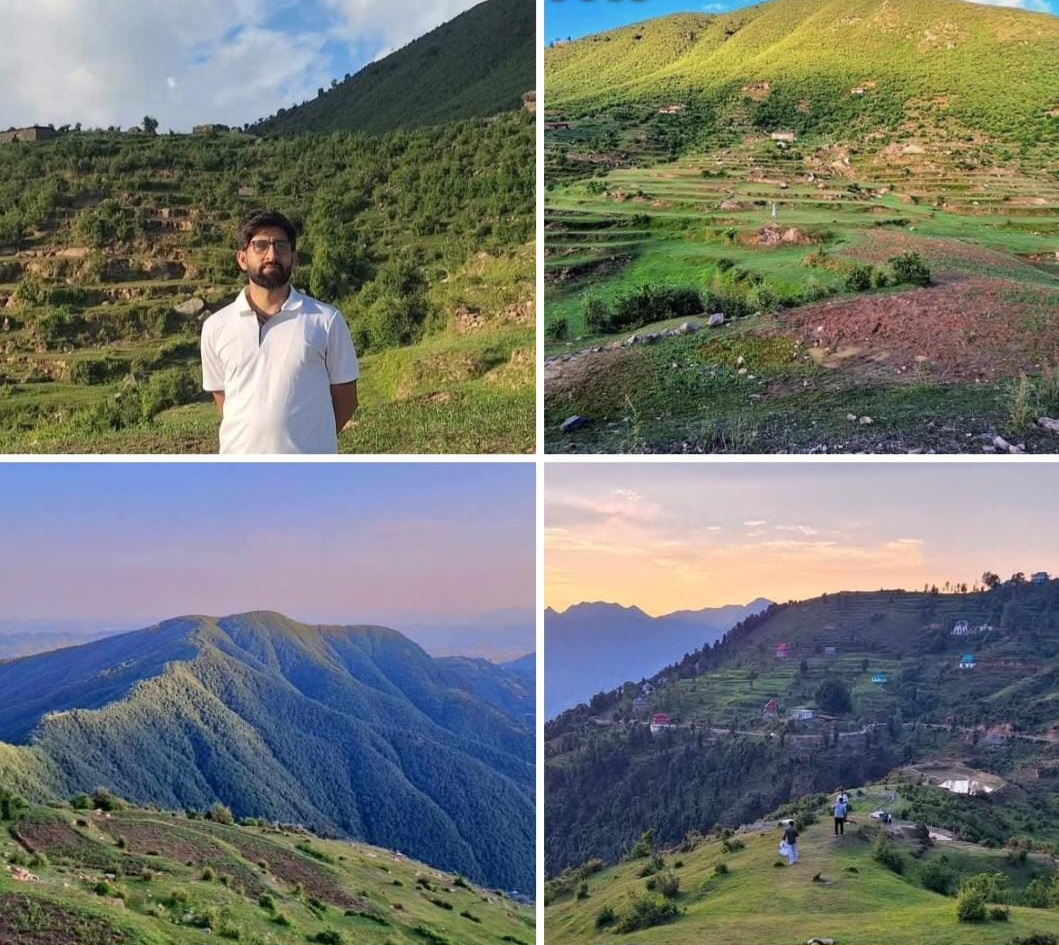
Situated at an elevation of approximately 2100 metres above sea level, Katamar is distinguished by its spectacular terraced landscape. Unlike conventional meadows, Katamar is characterized by a series of agricultural terraces and grass-covered slopes where local communities have practised step farming for generations. These naturally contoured terraces create a stunning visual pattern across the mountainside, giving the area a distinctive identity. During different seasons, the terraces transform in colour and appearance, offering visitors a constantly changing panorama of nature and culture.
The region is surrounded by several picturesque localities, including Sarotha, Mangota, Lawbavli, Chitibiti and Dara. Together, these settlements contribute to the cultural and ecological richness of the area. The landscape reflects a harmonious relationship between human activity and the natural environment, where agriculture, grazing and forest ecosystems coexist in balance.
Towering above Katamar is the famous Loon Pall, locally known as Loon Bangla, a prominent cliff situated at an elevation of approximately 2400 metres above sea level. This dramatic rocky outcrop serves as one of the finest natural viewpoints in the region. From its summit, visitors can enjoy breathtaking panoramic views extending across Rajouri, #Thanamandi, #Darhal, #Plangarh, #Saj and the surrounding mountain ranges. During sunrise and sunset, Loon Bangla offers an unforgettable spectacle as golden rays illuminate the valleys, forests and distant peaks of the Pir Panjal.
Facing Katamar is the magnificent Bagh Mall Ridge, a densely forested mountain that dominates the horizon. Covered with lush green forests throughout the year, Bagh Mall is home to a rich diversity of flora and fauna. The ridge supports numerous species of trees, shrubs, medicinal plants and wildlife, making it an important ecological zone. The contrast between the terraced slopes of Katamar, the towering cliffs of Loon Bangla and the evergreen forests of Bagh Mall creates a landscape of exceptional beauty and ecological significance.
The area possesses remarkable biodiversity and remains an important natural habitat for various plant and animal species. Seasonal flowers, native shrubs and dense forest vegetation contribute to the scenic charm of the region. The surrounding environment remains relatively undisturbed, allowing visitors to experience the tranquillity and purity of nature in its most authentic form.
Katamar also has a fascinating local history. According to the elders of the region, the name “Katamar” originates from a traditional local narrative. In the local language, a buffalo calf is referred to as a “Katta.” Historically, leopards and other predators frequently attacked buffalo calves grazing in the area. These incidents occurred repeatedly over time, eventually leading local communities to refer to the place as “Katamar,” meaning the place associated with the killing of calves. Today, however, Katamar is known not for these stories of the past but for its extraordinary natural beauty and tourism potential.
The region plays an important role in the traditional migratory lifestyle of Gujjar and Pahari communities. During the summer months, pastoral families move with their livestock to the higher reaches of Katamar and surrounding areas. The fertile grasslands provide excellent grazing opportunities, while the terraced fields support seasonal agricultural activities, particularly maize cultivation. These traditional practices continue to shape the cultural identity of the landscape and demonstrate the sustainable relationship between local communities and their environment.
With the expansion of road connectivity through Thanamandi, Darhal and #Mangota, Katamar has become increasingly accessible to visitors. The improved transportation network has opened new opportunities for tourism development and regional growth. Yet despite its accessibility and natural attractions, the area remains largely unexplored by mainstream tourism.
Katamar possesses all the essential characteristics of a successful eco-tourism destination. Its scenic landscapes, pleasant climate, panoramic viewpoints, biodiversity and cultural heritage make it ideal for trekking, hiking, camping, photography, birdwatching and nature-based tourism. The open terrain and elevated slopes also provide potential opportunities for adventure activities such as paragliding and recreational outdoor sports.
The development of tourism infrastructure in Katamar could bring significant socio-economic benefits to the surrounding communities. Sustainable tourism has the potential to generate employment opportunities for local youth, encourage entrepreneurship, promote homestay tourism and strengthen the local economy. The benefits would extend to both Thanamandi and Darhal, helping create new avenues of livelihood while preserving local traditions and cultural heritage.
Having explored and documented the tourism potential of Katamar, Tahir Mustafa , an activist, explorer and environmentalist, has appealed to the Hon’ble MLA Thanamandi and the District Administration Rajouri to take concrete measures for the development of this emerging tourist destination. He has urged the authorities to provide essential infrastructure, including drinking water facilities, water storage tanks, resting shelters, viewpoints, tourist signboards and environmentally responsible waste-management systems. Given the scarcity of water in the area, the provision of reliable water facilities through storage tanks, pipelines or other sustainable mechanisms is of utmost importance for both visitors and local communities.
Tahir Mustafa has further appealed for the inclusion of Katamar, Loon Bangla and Bagh Mall in official tourism promotion initiatives so that these remarkable landscapes can receive the recognition they deserve. He believes that with proper planning and responsible development, Katamar can emerge as one of the leading eco-tourism destinations of the Pir Panjal region while maintaining its ecological integrity and natural charm.
At the same time, conservation must remain a priority. The forests, grasslands, agricultural terraces and wildlife habitats of Katamar represent valuable natural assets that should be protected for future generations. Visitors must avoid littering, discourage plastic pollution and respect the fragile mountain ecosystem. Responsible tourism and environmental stewardship are essential for ensuring the long-term sustainability of the region.
Katamar is more than a tourist destination. It is a living landscape where history, culture, agriculture and nature come together in perfect harmony. It is a place where the cliffs of Loon Bangla overlook centuries-old terraces, where the forests of Bagh Mall stand as silent guardians of biodiversity and where every sunrise and sunset paints the Pir Panjal Mountains in colours beyond imagination.
As travellers increasingly seek authentic experiences away from crowded destinations, Katamar offers an opportunity to reconnect with nature, appreciate local heritage and discover one of Rajouri’s most captivating hidden treasures. It is a landscape worthy of exploration, admiration and preservation — a gift of nature that belongs not only to the present generation but also to those who will inherit these mountains in the years to come.
“Explore Nature, Respect Nature and Preserve Nature for Future Generations.”
Tahir Mustafa
Activist • Explorer • Environmentalist


 Users Today : 57
 Users Yesterday : 140
 Users Last 7 days : 409
 Users Last 30 days : 409
 Users This Month : 409
 Users This Year : 409
 Total Users : 410
 Views Today : 76
 Views Yesterday : 201
 Views Last 7 days : 575
 Views Last 30 days : 575
 Views This Month : 575
 Views This Year : 575
 Total views : 576
 Who's Online : 0