


GNS ONLINE NEWS PORTAL
BY SAHIL HAMID
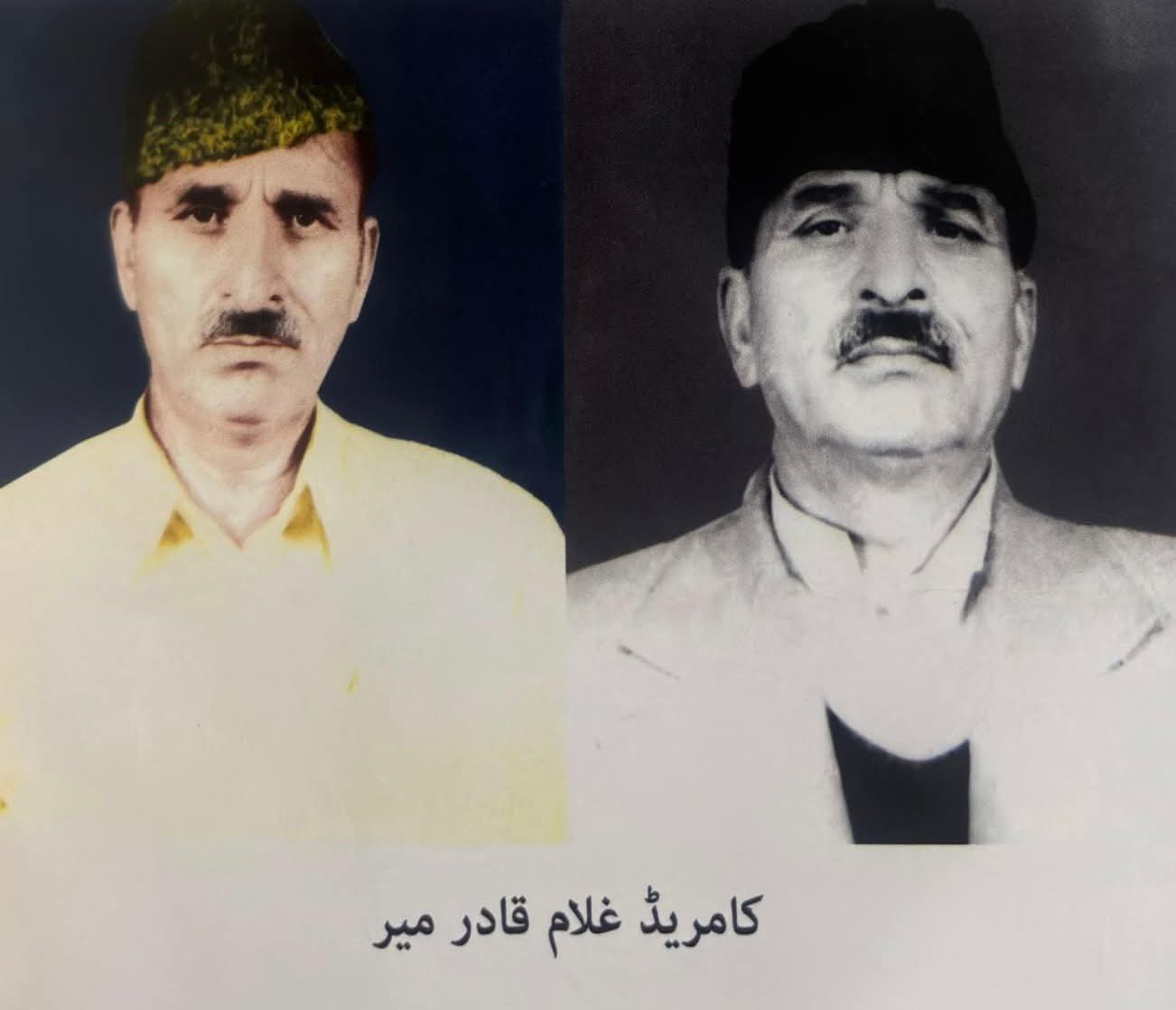
RAJOURI MAY 22:-While studying and reflecting upon the social and political history of the Pir Panjal region, I often feel that many of our most important personalities have not received the recognition they truly deserve. There are names which once carried immense respect among the people, yet with the passage of time they gradually disappeared from mainstream discussions despite their enormous contribution towards society. Among such personalities, Comrade Ghulam Qadir Mir Sahab remains one of the most remarkable and intellectually rich figures produced by this region.
What makes Marhoom Mir personality truly different is that his life cannot be viewed merely through the narrow lens of politics. He represented an entire tradition of principled public life where intellect, morality, literature, and social responsibility existed together. In an age where politics increasingly revolves around power and personal interests, remembering individuals like Ghulam Qadir Mir Sahab becomes even more important because they belonged to a generation that considered public service a moral duty rather than a profession.
Born in 1912 in the beautiful town of Hasyote Thannamandi, Mir Marhoom belonged to a humble but socially respected family. The values of simplicity, honesty, and dignity which later became central to his personality were deeply rooted in his upbringing. From his early years, he displayed seriousness towards education and intellectual pursuits. After completing his initial education in Thannamandi, he continued his studies in Srinagar and later in Mirpur. These years played a defining role in shaping his intellectual outlook and literary temperament.
One aspect of Mir Marhoom personality which deeply impresses me is his attachment with literature and philosophy. Unlike many political figures whose engagement with knowledge remains superficial, his literary interests reflected genuine intellectual depth. He developed a profound admiration for Urdu and Persian literature, especially the philosophical thought of Allama Iqbal. Literature for him was not merely a hobby; it was a way of understanding society, morality, and human struggle. Even during his student years, his poetic abilities and command over language had already begun earning recognition in literary circles.
At the same time, Mir Sahib was not detached from the realities of society. The political atmosphere of Jammu and Kashmir during the 1930s and 1940s was undergoing rapid transformation, and naturally many educated young individuals became part of emerging political and social movements. Ghulam Qadir Mir too entered public life during this turbulent period, but what distinguished him was the courage and sincerity with which he aligned himself with the ordinary people. He openly raised his voice against injustice and exploitation at a time when speaking truth often carried serious consequences.
The tragic events of 1947 deeply affected the entire Pir Panjal region, leaving behind memories of suffering, displacement, and fear. During those painful circumstances, Mir Sahib emerged as a courageous and dependable representative of the people. When official inquiries regarding the incidents in Rajouri were conducted, he was chosen to present the concerns and experiences of the local population before the visiting authorities. This itself reflects the trust people had in his integrity and clarity of thought. Those who witnessed his role during that difficult period remembered him as someone who spoke not for personal gain or political visibility, but with genuine concern for the suffering of society.
Another major phase of hardship in his life came in 1953 when he was arrested in connection with political dissent. It was undoubtedly a difficult and painful chapter, both personally and politically. He reportedly faced interrogation, humiliation, and immense pressure during detention. Yet what stands out most about Mir Sahib is the dignity and composure he maintained even during adversity. Many people may break under such circumstances, but personalities like him often emerge even stronger because their convictions are rooted in principles rather than convenience. His conduct during those difficult days further enhanced public admiration for him and strengthened his image as a man of integrity and courage.
Although he later participated in electoral politics and contested elections, it would be unfair to judge his contribution merely through electoral victories or defeats. In reality, his importance in public life came from his intellectual influence, ethical conduct, and continued engagement with social issues. He consistently remained concerned about education, justice, and the welfare of ordinary people. Even those who differed with him politically acknowledged his honesty and sincerity.
As years passed, Mir Marhoom personality acquired even greater philosophical and spiritual depth. He remained deeply associated with literature and continued writing in Urdu, Persian, and Kashmiri languages. His thoughts increasingly revolved around morality, unity, justice, and the responsibilities of leadership. Unlike many political personalities who gradually distance themselves from intellectual pursuits, Mir Sahib maintained a close relationship with learning and reflective thought throughout his life.
Another quality which made him highly respected across the region was his ability to connect with people belonging to different communities and backgrounds. His command over languages such as Urdu, Persian, and Pashto broadened both his social and intellectual reach. In a culturally diverse region like Pir Panjal, such personalities played a vital role in promoting harmony, understanding, and mutual respect among different sections of society.
Personally, while reading and writing about figures like Ghulam Qadir Mir one realizes how much our society has changed over the decades. There was a time when public life produced personalities whose strength came from character, knowledge, and sacrifice. Today, unfortunately, such qualities are becoming increasingly rare. Perhaps this is why remembering people like Mir Sahib carries such importance — because they remind us of an older tradition of politics rooted in ethics, dignity, and public responsibility.
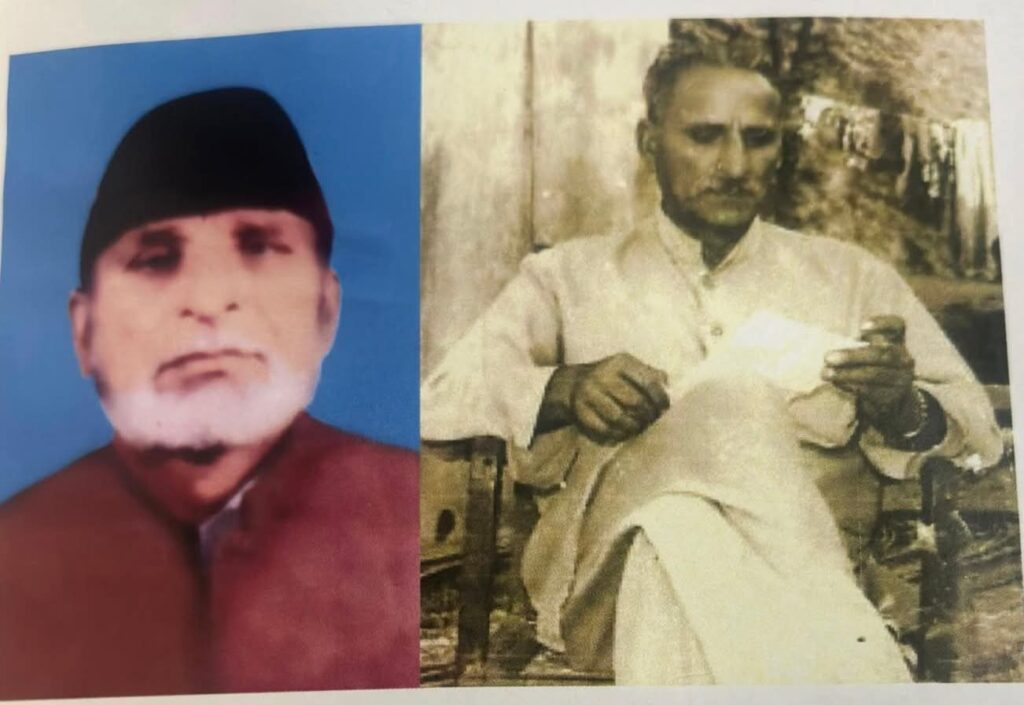
It is also unfortunate that many younger people today know very little about such individuals despite their immense contribution towards the intellectual and political history of the region. History often remembers louder personalities while quieter but more principled individuals gradually fade from public memory. Yet the true moral foundations of society are built by such sincere and thoughtful people whose influence continues long after they are gone.
The passing of Comrade Ghulam Qadir Mir was deeply mourned across the Pir Panjal region because people felt they had lost not just a political figure, but a voice of sincerity, intellect, and moral courage. Even today, his name continues to be recalled with admiration by those who value honesty, intellectual depth, and principled public life.
In many ways, the life of Ghulam Qadir Mir Sahab remains an important lesson for present and future generations. It reminds us that true greatness does not emerge from authority, publicity, or wealth, but from integrity, courage, and an unwavering commitment towards society and truth.





 Users Today : 397
 Users Yesterday : 306